Genellikle drone olarak bilinen insansız hava araçları (UAV), hobici oyuncakların çok ötesine geçti.acil durum tepkisi, ve askeri harekatlar Radyo frekansı (RF) sistemleriHer kritik iletişim ve kontrol arayüzünde.
RF teknolojileri geliştikçe, bu hava sistemlerini güvenilir, verimli ve güvenli yapan destekleyici elektroniklere olan talep de artar.Tasarımcılar giderek daha fazla dikkatlerini sadece antenlere ve alıcılara değil, ancak değişen ortamlarda istikrarlı RF performansını destekleyen pasif ve algılayıcı bileşenlere.
RF, Kablosuz Bağlantıdan Daha Fazlası Drone İletişiminin Omurgasıdır
Birçok kullanıcı için, drone'larda RF, kontrolör ve uçak arasındaki kablosuz bağlantı anlamına gelir.
- Komuta ve kontrol bağlantılarıUçuş talimatları için
- TelemetriGerçek zamanlı sistem durumu ve konum verileri için
- Yüksek bant genişliği video iletimiBirinci kişi görüşü (FPV) işlemleri için
- Çarpışma önleme algılama, genellikle radar veya LIDAR sistemleriyle entegre edilir
Bu RF kanallarının her biri farklı frekans bantları ve performans kısıtlamaları altında çalışır ve her biri çevresindeki elektroniklere özelliklesinyal bütünlüğü, gürültü bağışıklığı ve güç istikrarı.
Drone Uygulamaları için RF Performansı'ndaki Zorluklar
Uçaklar için RF sistemlerinin tasarlanması, sadece bir alıcı seçme meselesi değildir.Mühendisler, destek bileşenlerinin RF performansını azaltmadığından emin olmalıdırlar, özellikle de uçaklar:
- Değişken termal ortamlar(sıcak yazlardan soğuk yüksekliklere)
- Elektrikli gürültülü koşullar, motorlar, servolar ve güç elektronikleri tarafından neden
- Uzay kısıtlı düzenlemeler, bileşenler sıkı bir şekilde paketlendiğinde
- Uzun uçuş süreleri, verimsizliklerin dayanıklılığa doğrudan bir etkisi olduğu
Bu tür senaryolarda pasif elemanlar indüktörler, kondansatörler ve sensörler dahil olmak üzere tamamen pasif değildir.Sinyalin ne kadar sabit kaldığı, ve sistemin zaman içinde ne kadar etkili çalıştığı.
Filtreleme ve Gürültü Engelleme: Başlangıç
RF sistemi performansının kritik bir yönü,Gürültü bastırmaUçaklarda, fırçasız motor sürücüleri, PWM anahtarları ve güç dönüştürücülerinden gelen elektrik gürültüsü RF ön uçlarına eşleştirilebilir, hassasiyeti azaltabilir ve menzilini azaltabilir.
Bu sorunu çözmek için tasarımcılar genellikle aşağıdakilerin bir kombinasyonunu kullanırlar:
- RF sınıfı indüktörler ve boğazlayıcılarCommon-mode ve differential-mode gürültü bastırma
- Kalkanlı pasif bileşenlerElektromanyetik koplamayı önlemek için
- Sinyal şartlandırma ağlarıBelirli frekans bantlarına ayarlanmış
Doğru seçilmiş bileşenler, kontrol sinyalleri veya telemetri bağlantılarına müdahale eden sahte emisyon olasılığını azaltır.
Güç Dayanıklılığı ve RF Duyarlılığı
Sabit altyapıların aksine, dronlarGemideki güç sistemleriGüç otobüsündeki gerilim dalgalanmaları veya dalgalanmalar doğrudan RF ön uç istikrarsızlığına dönüşebilir.
RF alt sistemleri için etkili güç tasarımı şunları içerir:
- Düşük gürültü gücü filtreleme
- RF güçlendiricileri ve alıcıları için sabit besleme rayları
- Değişen yükler altında sinyal açıklığını koruyan koplama ağları
Gerçek dünya uygulamalarında,Bu genellikle yüksek frekanslı ve düşük sapık reaktans için tasarlanmış indüktörler ve pasif ağlar seçmek anlamına gelir .
Sensörler ve navigasyon sistemleriyle entegrasyon
Modern dronlar, RF iletişimini, GPS, inersiyel ölçüm birimleri (IMU'lar), yükseklik ölçerleri ve LiDAR veya ultrasonik menzil sistemleri gibi bir dizi dahili sensörle birleştirir.Bu sensörler genellikle RF bileşenleri ile aynı PCB veya kabın alanını paylaşır, aşağıdakiler için ek zorluklar yaratıyor:
- Elektromanyetik uyumluluk (EMC)
- Sistemler arasındaki çapraz konuşmayı en aza indirmek
- Kompakt kabınlarda anten performansının korunması
Dikkatli bileşen seçimi ve yerleştirilmesinin sadece iyi bir uygulama olmamasının bir nedeni bu.
Bu, bileşen tasarımcıları ve üreticileri için ne anlama geliyor?
Elektronik tedarik zincirindeki tedarikçiler için, drone uygulamalarının yükselişi, RF sisteminin performansının onu destekleyen bileşenler kadar iyi olduğunu vurgular.Mühendisler teslim edecek parçalar arıyorlar.:
- Sıcaklık ve titreşim üzerinde istikrarlı performans
- Düşük parazitik unsurRF bütünlüğünü korumak için
- Kompakt form faktörleriUAV'lerin ağırlık ve yer sınırlamalarına uygun
- Üretim partileri arasında tutarlılık, sistem yeniden yeterliliği gereksinimlerini azaltmak
RF indüktörleri, filtreler ve algılayıcı cihazlar dahil olmak üzere pasif bileşenler daha iyi drone performansını sağlayanlar olarak arka plandan çıkıp spot ışığına geçiyor.
SHINHOM, RF Hazır Uçak Tasarımlarını Nasıl Destekliyor?
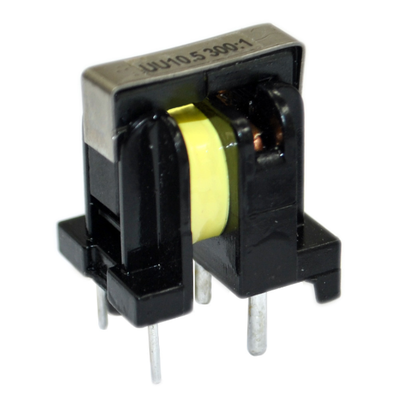
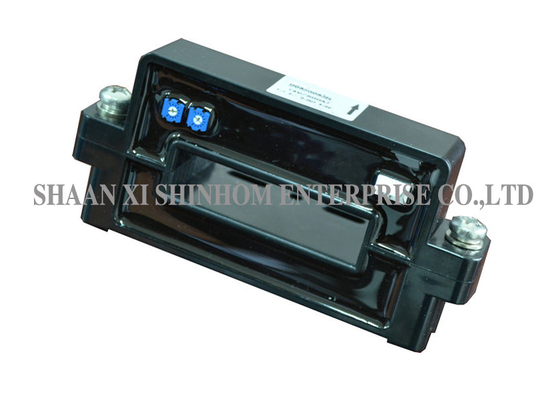
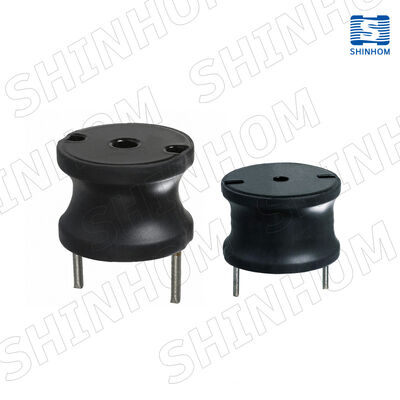
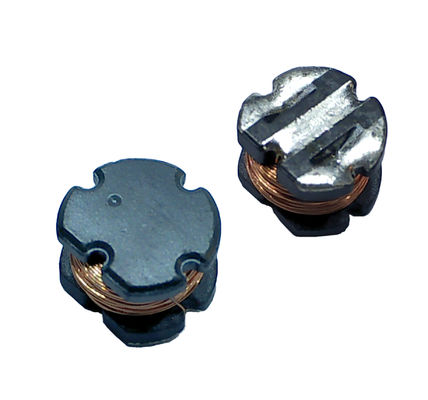
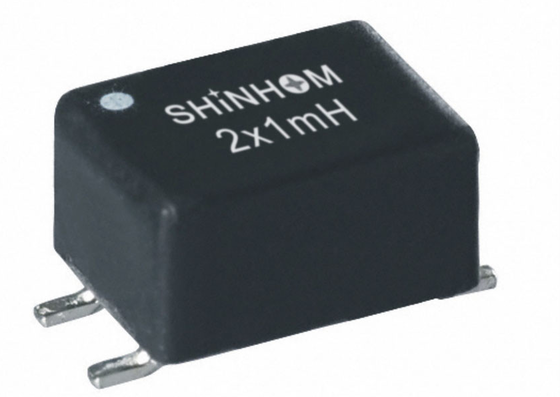
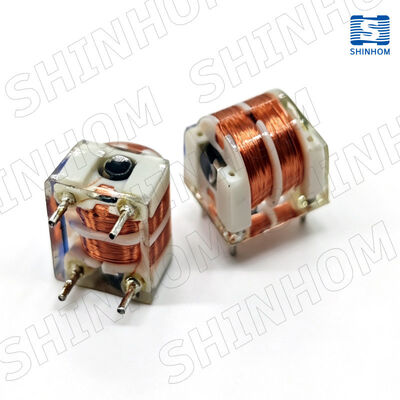
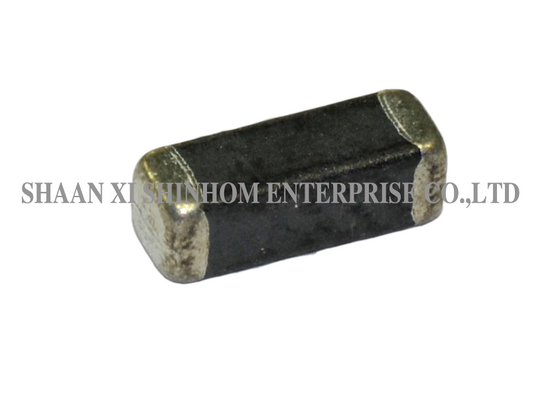
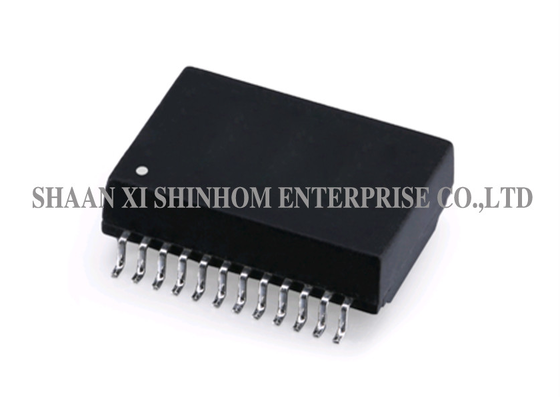
- Evet.SHINHOM, modern RF sistemlerinin destek bileşenlerine uyguladığı talepleri anlıyoruz.tetikleme bobinleri, RF indüktörleri ve hassas pasif elemanlarSistem tasarımcılarına yardımcı olmak için tasarlanmıştır:
- RF ön uçlarında gürültü bağlantısını azaltın
- Duyarlı RF modülleri için güç istikrarını iyileştirin
- Kompakt düzenlerde sinyal açıklığını koruyun
- Bileşenlerin katı elektrik ve mekanik gereksinimleri karşıladığını bilerek güvenle tasarlayın
By providing reliable components that support RF performance — even under the challenging conditions drones often encounter — SHINHOM helps engineers build more robust airborne systems with greater range, istikrar ve güvenilirlik.
Geleceğe Bakmak
Drone uygulamaları endüstriyel denetim, teslimat hizmetleri, çevresel izleme ve ötesine yayıldıkça, RF sistemi performansı önemli bir farklılaştırıcı olarak kalacaktır.Pasif bileşenlerin RF ön uçlarıyla nasıl etkileşime girdiğini anlayan mühendisler, hem performans hem de düzenleyici gereksinimleri karşılayan sistemleri tasarlamak için daha iyi konumlandırılacaklardır.
RF hazır bileşenleri ve UAV uygulamaları için tasarım desteği hakkında sorular için, bizimle iletişime geçin
sales@shinhom.com

 Mesajınız 20-3.000 karakter arasında olmalıdır!